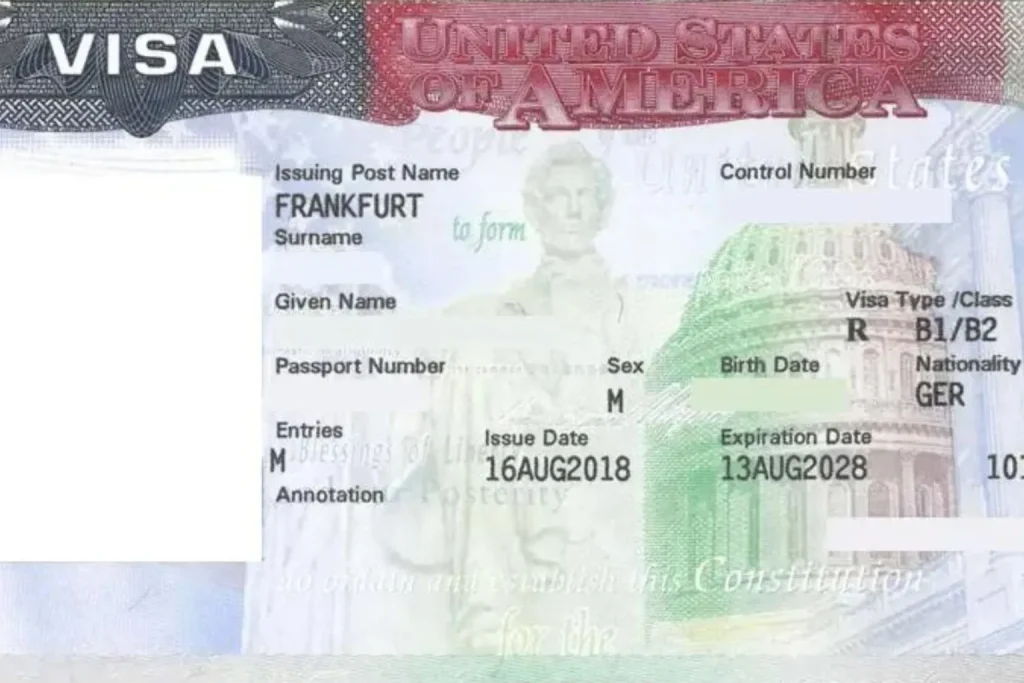
Planning a trip to the States and feeling overwhelmed by the visa requirements? I’ve been there, and trust me, it’s not as daunting as it seems. Whether you’re eyeing a tourist hotspot or heading over for business, knowing the ins and outs of the visa process is crucial. And if you’re an artist or entertainer, snagging an O-1 visa might just be your golden ticket.
Understanding the US Visa Process
Embarking on a trip to the US can feel like you’re gearing up for a set at a sold-out venue: thrilling yet a bit nerve-wracking. But I’ve navigated these waters, and I’m telling you, understanding the visa process is the prep work that can make all the difference.
Let’s start with the basics. The US offers a plethora of visa categories, each like its own genre of music, and finding your fit is crucial. For us in the industry, the O-1 visa is the golden ticket it allows artists and entertainers with extraordinary abilities to showcase their talents on the grand stage of America.
Your first step is to gather your credentials. You’re going to need proof, a solid press kit of sorts, that showcases your international recognition and your noteworthy contributions to the music scene. Think of it like convincing a label exec—you’ve got to bring your A-game.
Next, you’ll need a sponsor or an agent to initiate the petition on your behalf. See, navigating this isn’t a solo act. It’s more like coordinating with your band members. You’ll need to hit the right notes together to get the O-1 visa approval.
Then comes the meticulous part: the paperwork. From filing Form I-129 to assembling the evidence that supports your claim, it’s like producing your best album—you want every detail to be pitch-perfect.
Don’t forget about the interviews. It’s not unlike a backstage Q&A session. The consulate wants to get to know you, just as fans want to dig into the stories behind your songs. Go in confident, be real, and let your passion shine.
As you wade through this process, remember, it’s not designed to dim your spotlight but to ensure that when you step on that US stage, you’re there to give the performance of a lifetime. And while it can seem like quite the setup, the vibe when you finally make it—trust me, it’s worth every ounce of effort.
Different Types of US Visas
Let’s chat about the different types of US visas because knowing your options is crucial. There’s a whole alphabet soup of choices, and beyond the O-1 visa for artists and entertainers, you’ve got a lot to consider.
The B Visas, for instance, cover temporary visits. If you’re popping over for a gig or a meeting, the B-1 visa’s your buddy. Heading to the States for some leisure, tourism, or family time? That’s where the B-2 comes into play. Keep in mind, these aren’t for long-term stays.
Then there’s the P Visa. This one’s another friend to musicians and artists, especially if you’re performing as part of a group or an event. Think of bands on tour, or maybe you’re part of a festival lineup; the P visa could fit you like a glove.
Musicians like us also need to look at the H Visas for employment-based visits. Planning to teach, or got a longer engagement lined up? H-2B could be up your alley if you’re in a non-agricultural gig. They’re temporary but longer than the B or P.
For those with dual intent, where you might consider permanent residency, the L Visas and E Visas are useful. Maybe you’re transferring within an international company (L) or investing in a States-side venture (E), these options bridge the gap between temporary and permanent intentions without locking you down too soon.
Remember, this isn’t about throwing a wrench in your touring plans. It’s about getting the right visa to match your needs. Think of it like picking the right stage for your performance; each one sets you up for a different kind of show. Here’s a quick breakdown to keep handy:
| Visa Type | Purpose | Duration |
|---|---|---|
| B-1 | Business visits | Short-term |
| B-2 | Tourism, family visits | Short-term |
| P | Performers in groups or events | Temporary |
| H-2B | Non-agricultural employment gigs | Temporary |
| L | International company transfers | Varies |
| E | Business investors and traders | Varies |
Tourist Visas: Exploring the Land of Opportunity
When I first planned my trip to the US, I was drawn by the sheer size and diversity of the country. From the bustling streets of New York City to the serene landscapes of the Grand Canyon, the US is indeed a land of opportunity for tourists and travelers like me. But before packing our bags and guitars, it’s essential to understand the Tourist Visa (B-2) requirements.
These visas are designed for those who wish to travel to the States for leisure, tourism, or medical treatment. It’s also the visa you, as a fellow musician, might consider if you’re looking to scope out venues or attend a music festival as a spectator. Here’s the lowdown:
- You’ll need to complete the DS-160 form online.
- Arrange an interview at the US Embassy or Consulate in your home country.
- Prepare to show ties to your home country, which prove you’ll return post-visit.
- Get your travel itinerary and accommodations sorted, as these details are often required.
Documentation is crucial. In my experience, having my financials in order and a letter of invitation from friends in the US helped smooth the process. And don’t forget, even if you’re used to impromptu gigs at local bars back home, performing for payment on a B-2 Visa is a big no-no.
It’s easy to get caught up in the excitement of visiting the US, and it’s even more tempting to try and book a couple of shows while you’re there. But remember, staying on the right side of visa regulations is vital for your future travels and career. For any kind of professional engagement, you’re better off exploring the P or O Visa categories, which I’ll be diving into further along. For now, if you’re just looking to experience the culture, network, and maybe find inspiration for your next album, the B-2 Visa is your ticket in. Just make sure to follow the rules and enjoy your American dream responsibly.
Business Visas: Opening Doors for Opportunity
As you’re eyeing the grandeur of the United States for your business pursuits, knowing which visa to apply for is as crucial as your business plan itself. I’ve seen plenty of musicians get tangled in the web of visa applications when they’re looking to book gigs or collaborate with international artists on US soil. But hey, that’s what I’m here for — to help you navigate through the maze of business visas.
When it’s about conducting business stateside, the B-1 visa is your golden ticket. This is for those planning to attend conferences, consult with business associates or negotiate contracts. And for folks like me, who might conduct a masterclass or hold a music workshop, the B-1 visa serves just right.
Let me break down the essentials:
- Schedule an interview at the U.S. Embassy or Consulate, similar to the B-2 process.
- A completed DS-160 form is your starting point.
- Proof of how you’ll finance your trip and your intent to return home are non-negotiables.
For my fellow musicians looking to get their feet wet in property investment — you’ve got a different ballgame. You may be eyeing real estate as part of your portfolio, and that’s smart. But remember, owning property doesn’t grant you residential status. Consider seeking an investor visa if this aligns with your long-term strategies.
Here’s where the EB-5 Immigrant Investor Program comes into play. It’s designed for entrepreneurs who make a substantial investment in a U.S. business, leading to job creation. Given the financial considerations and complexities, it’s a path less traveled by artists. However, if your melodies come with a side of business savvy, why not explore it?
And don’t forget about tax implications. Your 401k or any income — including global — gets a slice taken out by Uncle Sam. International tax laws can be trickier than hitting a high note on a cold day, so getting professional advice is a melody worth playing on repeat.
Remember, venturing into the U.S. business landscape on a tourist visa is a no-go zone. Always match your visa to your intentions to avoid a discordant note in your travel symphony.
O-1 Visa: A Creative Pathway to the US
When I explored my options for performing stateside, the O-1 Visa stood out as the go-to choice for artists with a bit of a rep. It’s designed for the individual who possesses extraordinary ability in the arts—or extraordinary achievement in the motion picture or television industry. I’m talking about folks who’ve demonstrated a record of exceptional success. It’s the kind of visa that says, “Yeah, I’m at the top of my game.”
Eligibility for the O-1 Visa hinges on some specific criteria. It’s not as simple as saying, “I’m talented, let me in.” Nope, you’ve gotta show solid proof of your accolades:
- Awards or recognitions for your work in the music industry
- Commercial successes or critical acclaim
- Significant contributions to your field
Think of it as the red-carpet event of visas—you really need to shine to be on that guest list.
One thing to keep in mind is that you’ll need a sponsor or an agent in the U.S. to petition for you, someone who can vouch for your engagements or events. It could be a bit daunting, but for a shot at performing on American soil, it’s a hurdle worth jumping.
Suppose you’re considering permanent residency. In that case, the EB-1 Visa could be your next step after rocking that O-1. It’s for those who have a sustained national or international acclaim and a resume to prove it. Here’s where you want your career to be seriously lit to have a chance.
| O-1 Visa Criteria | Description |
|---|---|
| Awards or Recognition | Proof of national or international prizes, awards, or titles in the music field |
| Commercial Success | High-selling albums, chart-toppers, sold-out tours |
| Significant Contributions | Innovations, scholarly articles, or substantial impact on the field |
Navigating the U.S. visa system can be like learning a complex new piece—it’s intricate and requires patience. Yet, as with mastering a challenging song, there’s a triumphant feeling when you finally nail it. Just make sure your application hits all the right notes when conveying your exceptional ability. It’s your solo performance that could open doors to a host of new opportunities and audiences across the pond.
Conclusion
Navigating the U.S. visa landscape is like getting the hang of a challenging new song. You’ve got to hit the right notes, especially when it comes to matching your intentions with the correct visa. Whether it’s the B-1 for business dealings, the EB-5 for your entrepreneurial spirit, or the O-1 for your extraordinary abilities, each visa plays a critical part in your journey. Remember, rocking up with a tourist visa when your plans scream “business mogul” is a no-go. It’s all about putting your best foot forward, showcasing your skills, and maybe, just maybe, setting the stage for that grand finale—an EB-1 Visa for permanent residency. So tune up, practice your scales, and make sure your visa application performance is worthy of a standing ovation.
Frequently Asked Questions
What is a B-1 visa and who is it for?
The B-1 visa is for individuals planning to enter the United States for business purposes like attending conferences, consulting with associates, or negotiating contracts.
Can musicians invest in US property?
Yes, musicians interested in investing in US property should consider an investor visa, such as the EB-5 Immigrant Investor Program.
Is it okay to use a tourist visa for business activities in the US?
No, it’s not recommended to engage in business activities on a tourist visa in the US as it doesn’t comply with visa regulations.
What is an O-1 Visa?
An O-1 Visa is for individuals with extraordinary ability in arts or significant achievements in the film or television industry, evidenced by awards or notable contributions to their field.
Can recipients of the O-1 Visa apply for permanent residency?
Yes, holders of an O-1 Visa can potentially use it as a pathway to apply for an EB-1 Visa, which offers permanent residency in the United States.
What analogy is used to describe the visa application process?
The visa application process is likened to learning a complex piece of music, highlighting the precision and attention to detail required to successfully convey exceptional ability in the application.